
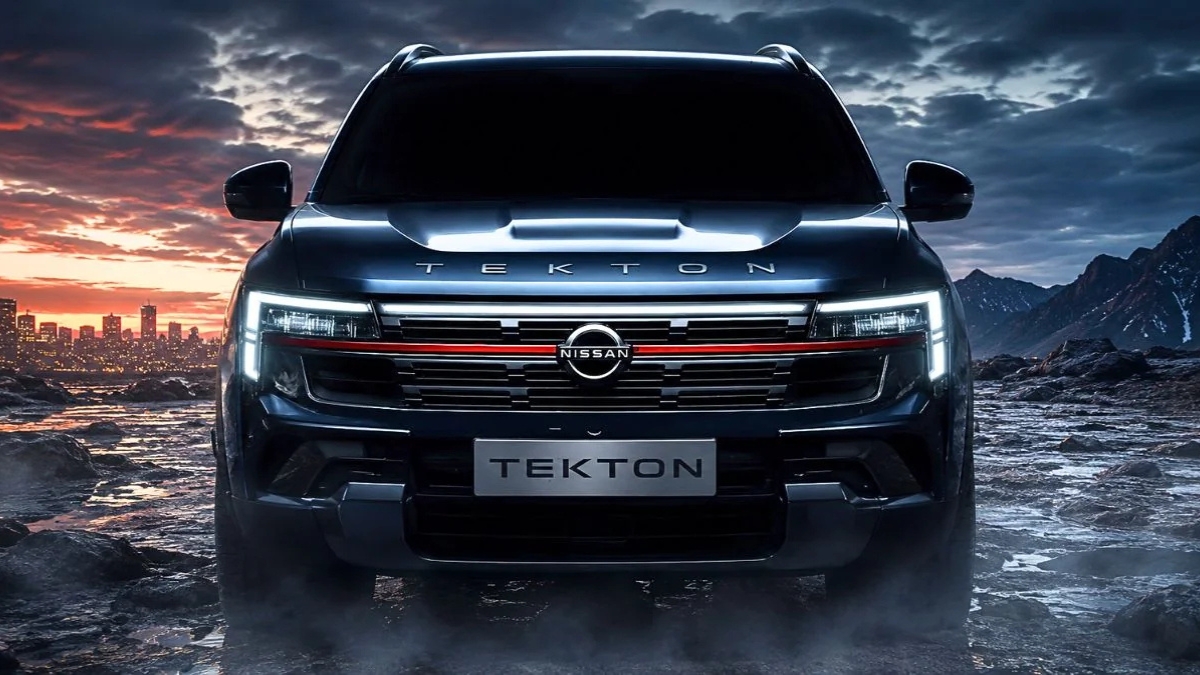
The automotive industry is transitioning toward electrification at a rapid pace and Nissan is getting ready for its future with its new Tekton platform. The new electric vehicle architecture that Tekton is built on is expected to form the basis for a new generation of Nissan electric vehicles with increased efficiency, smarter technology, greater performance and range. With the electric vehicle competition heating up, Nissan is looking to gain a competitive edge with a platform that will enable it to build multiple vehicles in a much more efficient and cost-effective manner, as well as enhance customer experience.
Unlike standard vehicle platforms, which are altered versions of those from internal combustion engine vehicles, Tekton has been designed specifically for BEV vehicles. This focused effort enables Nissan to maximize space, integrate the battery, strengthen the structure, and provide a smoother driving experience. The platform embodies the company’s long-term vision to develop intelligent, connected and sustainable electric vehicles to unlock the needs of customers worldwide.
A New Correspondence for EVs of the Future
The design of Tekton is based around being modular and easily adapted to different vehicle types ranging from compact hatchbacks to family sedans, premium crossovers and large SUVs. The flexible architecture allows Nissan to develop several EV models from the same engineering base and reduce manufacturing complexity as well as shorten product development cycles. This also enables the firm to react swiftly to new market requirements and launch new electric models more effectively.
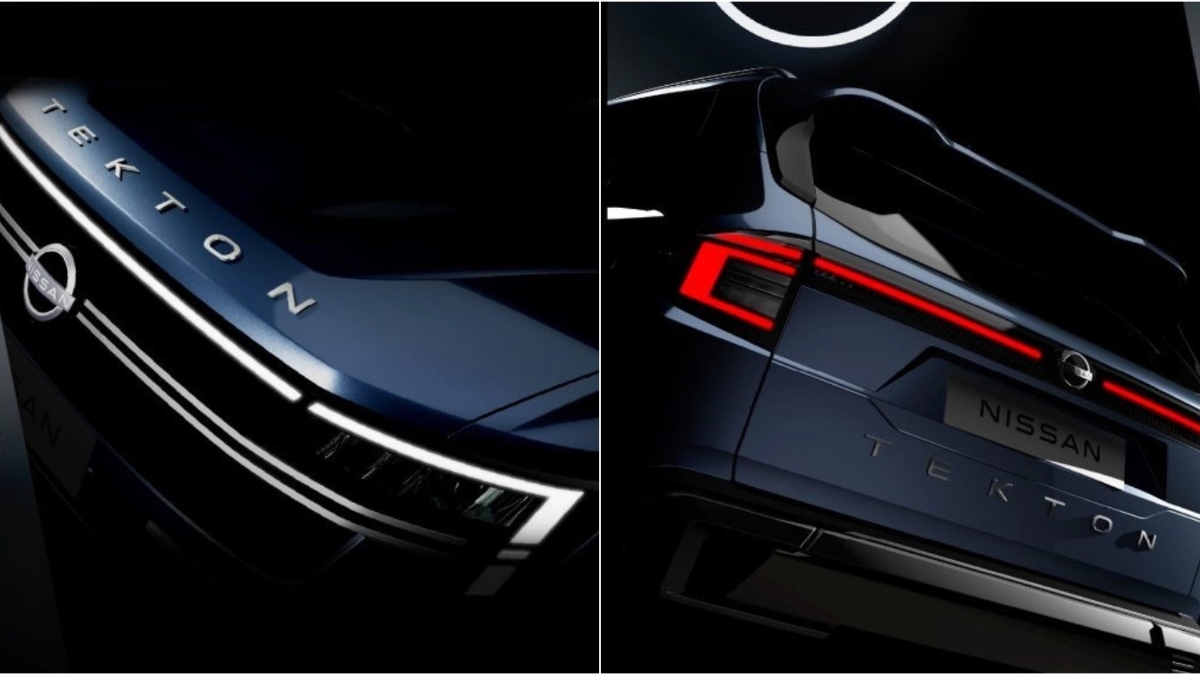
The battery pack is mounted within the vehicle’s floor, which gives Tekton a lower centre of gravity, which in turn enhances stability and handling. The lack of a traditional engine and transmission tunnel also provides additional interior space to help provide a more spacious cab for increased passenger room and extra luggage storage capacity without the bulk.
Improved Battery Technology and Longer Driving Range
Battery performance is one of the most crucial aspects of any electric vehicle, and Tekton is likely to provide assistance to Nissan’s innovative battery technologies. Planned future EVs on the platform will have larger battery packs with greater energy density that will provide longer driving ranges in the same compact package. A more effective energy management and packaging system will help take full advantage of each charge to improve EV ownership for long distance travel.
The platform will also feature a new state-of-the-art thermal management system that maintains the optimal temperature range for the batteries. Good cooling and heating systems can help enhance charging efficiency, battery life and performance in hot and cold climates.
Tekton Nissan
| Feature | Details |
|---|---|
| Platform Name | Tekton EV Architecture |
| Developed By | Nissan |
| Platform Type | Next-Generation Modular EV Platform |
| Global Debut | Expected with future Nissan EVs |
| Design Focus | High Structural Safety & Lightweight Construction |
| Battery Protection | Advanced Waterproofing and Dust Resistance |
| Electronic System | Next-Generation Electronic Architecture |
| Energy Management | Proprietary Intelligent Energy Management System |
| Performance | Improved Efficiency, Better Driving Dynamics |
| Global Strategy | Engineered in India for Worldwide Markets |
| Terrain Capability | Suitable for Multiple Road and Weather Conditions |
| Expected Benefits | Longer Range, Faster Charging Support, Enhanced Safety and Performance |
Faster Charging and Intelligent Energy Management
Convenience for charging remains a key factor in EV adoption, and it is likely that Tekton will be able to help power high-speed DC fast charging. The faster charging speeds will allow for quicker charging during long trips and make daily charging easier for vehicle owners. Intelligent battery management software will further enhance charging efficiency by monitoring battery health, controlling the flow of energy and adjusting charging parameters based on weather conditions.
Smart route planning is also to be expected in future Nissan EVs built on the Tekton, which will offer suggestions for charging stops according to battery level, destination and current traffic. These intelligent systems will assist drivers to travel with more confidence, with reduced range anxiety.
Advanced Software and Connected Features
Modern EVs are heavily dependent on software and the development of Tekton has been based on software-first. It will also be expected to enable over-the-air software updates and upgrades for the vehicles, which may mean that Nissan can remotely roll out new features, make performance improvements, ramp up security and fix software bugs without the need for the vehicles to be taken to dealerships.
The architecture is also expected to facilitate next-generation infotainment systems, cloud connectivity, artificial intelligence features, voice assistance and advanced driver assistance technologies. With its flexible foundation, Tekton also supports future software updates and intelligent mobility solutions, as the technology of autonomous driving continues to evolve.
Better Performance and Driving Dynamics
The electric vehicles developed in the framework of the Tekton platform should provide better acceleration, smoother power delivery and better driving comfort. The optimized chassis design with lightweight construction helps to ensure energy efficiency and structural strength and safety for the passengers. Nissan can choose to provide customers with either single-motor rear-wheel-drive versions or dual-motor AWD versions, depending on model.
The platform’s well-balanced weight distribution and low positioning of the battery pack deliver better handling characteristics and ride comfort, so that future Nissan EVs are even easier to drive, and they still are highly efficient.
Supporting Nissan’s Global Electrification Strategy
Tekton is one of the key elements in Nissan’s future electrification plan. The governments of various countries have begun to set increasingly stringent emission standards and promote the use of vehicles with zero emissions. Nissan will drastically increase its EV portfolio in the near future. The Tekton platform will enable the company to roll out several EV models to the various markets around the world at competitive prices with lower development expenses.
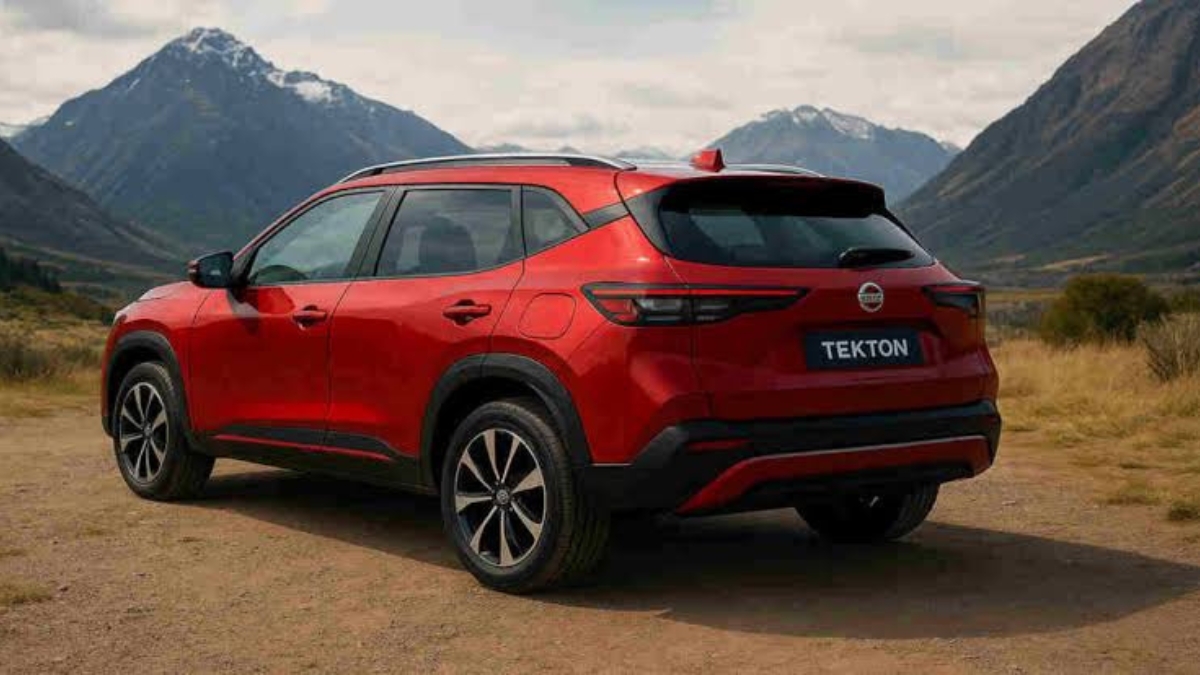
The platform will also help facilitate ongoing battery innovation, such as the growing solid-state battery innovation which is expected to be commercially available in the future. Solid-state batteries have the potential to offer higher energy density, quicker charging speeds, enhanced safety features, and longer lifespan, presenting a substantial improvement in the electric vehicle sector.
Disclaimer: The information in this article has been gathered from the public, official announcements and industry reports as they were available to the author at the time of writing. Details of the Nissan’s Tekton platform, including specifications, features, technologies, launch dates and more, may be subject to confirmation. Readers are advised to refer to Nissan’s official announcements for the most accurate and up-to-date information.
Also read:
New Car Launches in June 2026: Tata Sierra EV, Mercedes CLA EV and More Exciting Models Coming Soon