
India aims for 100% EV Parts Manufacturing by 2030, but for magnets and chips, it is yet to break free from China & Taiwan.While India is pushing for 100% EV Parts Manufacturing by 2030, its efforts are yet to make headway in the production of magnets and chips, which continue to rely on China & Taiwan.
India is fast emerging as a global hub for the production of electric vehicles (EVs). The country’s automotive sector has advanced substantially to manufacture locally battery, motors, controllers, wiring systems and other critical components of EVs. By 2030, industry estimates suggest India will produce almost all the major components for EVs.
This ambitious objective is hoped to bring down the reliance on imports, build the local supply chain and help the government’s vision of self-reliant clean mobility. Despite these developments, India still has significant challenges in the production of two key components, rare earth magnets and semiconductor chips, which are still heavily dependent on imports from China and Taiwan.
India’s EV Manufacturing Ecosystem Is Expanding Rapidly
The EV industry in India has experienced significant growth in the last few years. The government has implemented various measures, such as the Production Linked Incentive (PLI) scheme, FAME incentives, and investments in the battery manufacturing sector, which have helped attract companies from around the world to invest in the country.The government has introduced several initiatives, including the Production Linked Incentive (PLI) scheme, FAME incentives, and investments in battery manufacturing plants, to encourage companies from all over the world to invest in India.
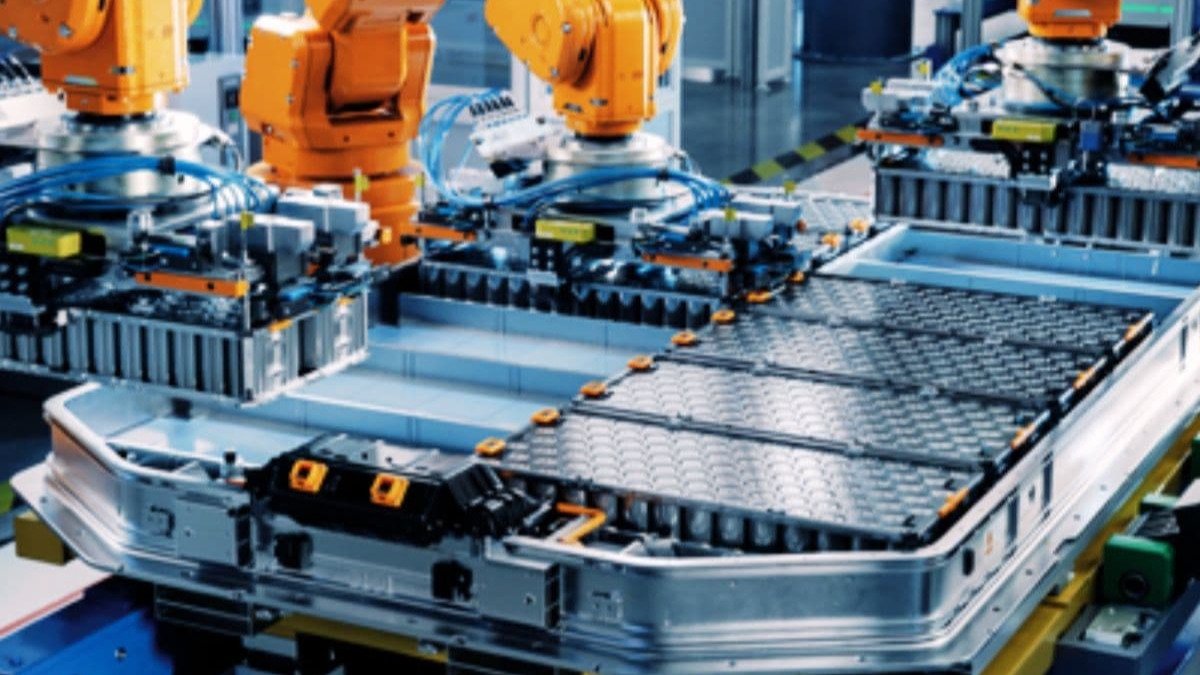
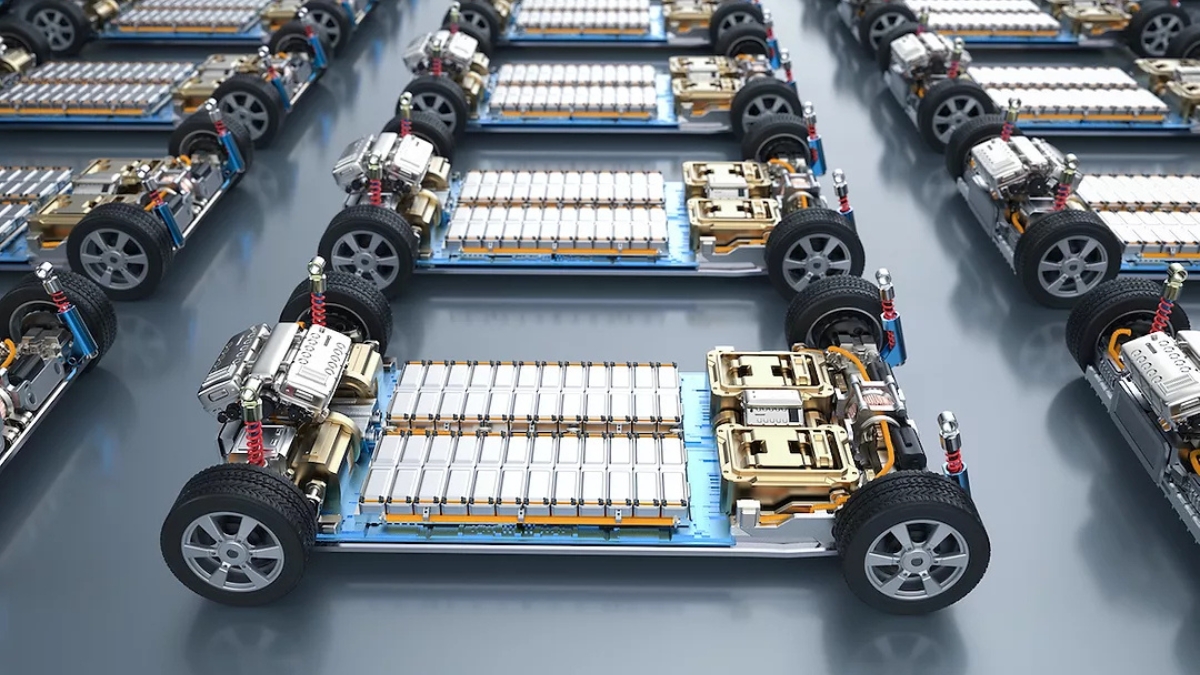
Today, Indian manufacturers can fabricate battery packs, electric motors, power electronics, charging equipment, vehicle frames, suspension systems, braking components and various electronic modules. As EV parts are becoming more localized the roles of these companies in cost reduction and employment creation are expanding across several sectors. By the end of this decade, almost all the mechanical and electrical components utilized in the EVs can be made in India, which will make the country one of the world’s biggest hubs of EV supply chain, industry experts believe.
EV Parts Manufacturing
| Specification | Details |
|---|---|
| Article Title | India Targets 100% EV Parts Manufacturing by 2030, But Magnets and Chips Still Depend on China & Taiwan |
| Industry | Electric Vehicles (EV) |
| Target Year | 2030 |
| Localization Goal | Nearly 100% EV Parts Manufacturing in India |
| Components Made in India | Battery Packs, Electric Motors, Controllers, Power Electronics, Wiring Harness, Chassis, Suspension, Braking Systems |
| Major Import Dependency | Rare Earth Magnets, Semiconductor Chips |
| Magnet Supply | Primarily China |
| Chip Supply | Primarily Taiwan |
| Government Initiatives | PLI Scheme, FAME India, Semiconductor Mission |
| Expected Benefits | Lower Imports, Stronger Supply Chain, More Jobs, Cost Reduction, Higher Exports |
| Biggest Challenge | Domestic Production of Rare Earth Magnets and Advanced Semiconductor Chips |
| Future Outlook | India aims to become a global EV manufacturing and export hub by 2030 |
Rare Earth Magnets Remain a Major Challenge
Even with all the advancement in localization, the rare earth permanent magnets remain one of the challenges that stand in the way of the EV industry in India. The use of these magnets in high-performance electric motors helps to enhance efficiency, minimize weight, and optimize driving performance. Sadly, at present China is the world’s leader in the processing and production of rare earths and magnets.
India has some rare earth mineral resources, however there hasn’t been enough processing and production of large-scale magnets. It takes significant investments, sophisticated technology, and years to establish a comprehensive supply chain, from the mining to refining and manufacturing. Till they get these capabilites in India, EV makers will have to rely on imports for this critical component.
Semiconductor Chips Continue to Depend on Taiwan
Another part of India’s dependence on foreign suppliers is in semiconductor chips which have not yet seen any work done by domestic companies. Today’s EVs employ many chips in their battery management systems, infotainment, motor control, advanced safety systems, sensors and vehicle communication. Taiwan continues to be one of the world’s top semiconductor manufacturers, providing chips to automakers worldwide.
While India has announced several plans for semiconductor manufacturing and has received investments in chip fabrication and packaging plants, creating a full-fledged semiconductor ecosystem is a time-consuming process. First, it is recommended that India should start with chip packaging, assembly and testing, and gradually shift towards large scale fabrication. Domestic chip production will be expected to continue until commercial scale is achieved, and will be provided by imports from Taiwan and other countries of the world.
Indian government has announced several policy measures to boost the EV manufacturing environment. Businesses are encouraged to expand their local manufacturing by offering financial incentives, tax benefits, building infrastructure and funding research. To comply with the surging demand for electric mobility, battery manufacturing plants, component suppliers and electronics manufacturers are increasing their business.
Some automotive companies also have close cooperation with local suppliers to increase localisation rates. This will help lower import bills, build supply chain resilience to withstand disruptions and make EV more competitive in Indian and international markets, this collaborative approach is expected to do.
Why Domestic Manufacturing Matters?
The benefits of rising local production are numerous, both economically and strategically. Domestic production brings advantages of independence to foreign production, lessens the supply chain problem, saves logistics costs, and provides thousands of skilled jobs. It also aids India to build its status as a world-class car manufacturing hub and boost exports of electric vehicles and parts.
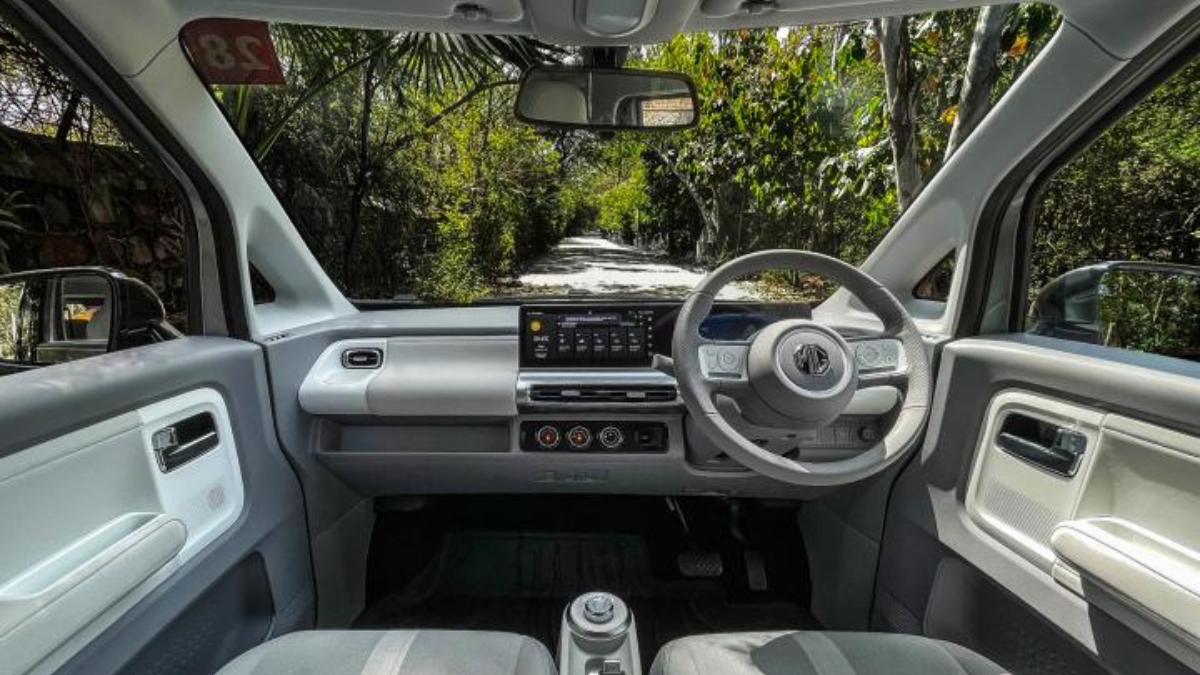
Local production can also help to keep vehicles affordable, since it decreases fluctuations in currency values and international shipping expenses. With the growth of EV adoption, a robust domestic supply chain is going to be even more relevant for sustainable growth of the industry.
The Road Ahead
The Indian government’s vision of producing almost all the components for EVs from local sources will be a major achievement for the Indian automotive industry. Major advances have already been achieved in batteries, motors, controllers, and vehicle components, but the two obstacles at this point are rare earth magnets and semiconductor chips. The ongoing investment in research, technology, infrastructure and strategic partnerships are the key to lessen reliance on China and Taiwan in the near future.
With the ongoing industry investments and technology advancements, India can be one of the top global hubs for EV manufacturing by 2030. While the full realization of self-reliance could take some more time, the march towards a strong domestic EV ecosystem is becoming more apparent with each passing day.
FAQ
Q1. Is India planning to manufacture 100% of EV parts by 2030?
Yes. India is working toward localizing almost all major EV components by 2030 through government support and private-sector investments.
Q2. Which EV components does India still import?
India still depends heavily on imports for rare earth permanent magnets and advanced semiconductor chips.
Q3. Why are rare earth magnets important in electric vehicles?
Rare earth magnets are used in high-efficiency electric motors, helping improve performance, energy efficiency, and driving range.
Q4. Why does India rely on China and Taiwan for EV components?
China dominates the global rare earth magnet supply chain, while Taiwan is one of the world’s leading semiconductor chip manufacturers, making them key suppliers for India’s EV industry.
Description: To achieve nearly 100% localisation of components for electric vehicles by 2030, India is striving. Production of batteries, motors and electronics has increased significantly locally but the rare earth magnets and semiconductor chips continue to be imported from China and Taiwan. Here’s all you need to know.
Also read:
ITR Filing 2026: Taxpayers Rushing to Revise Returns Here’s What’s Triggering the Surge