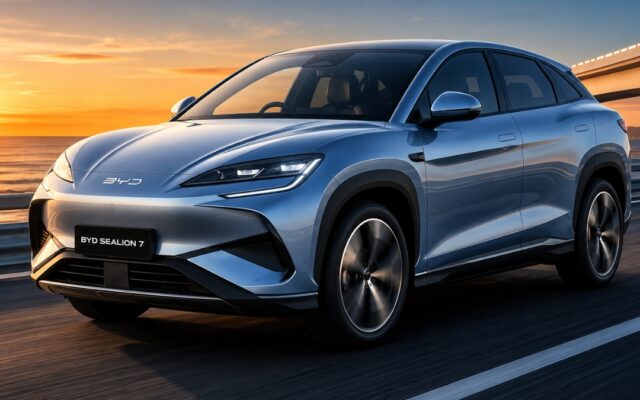

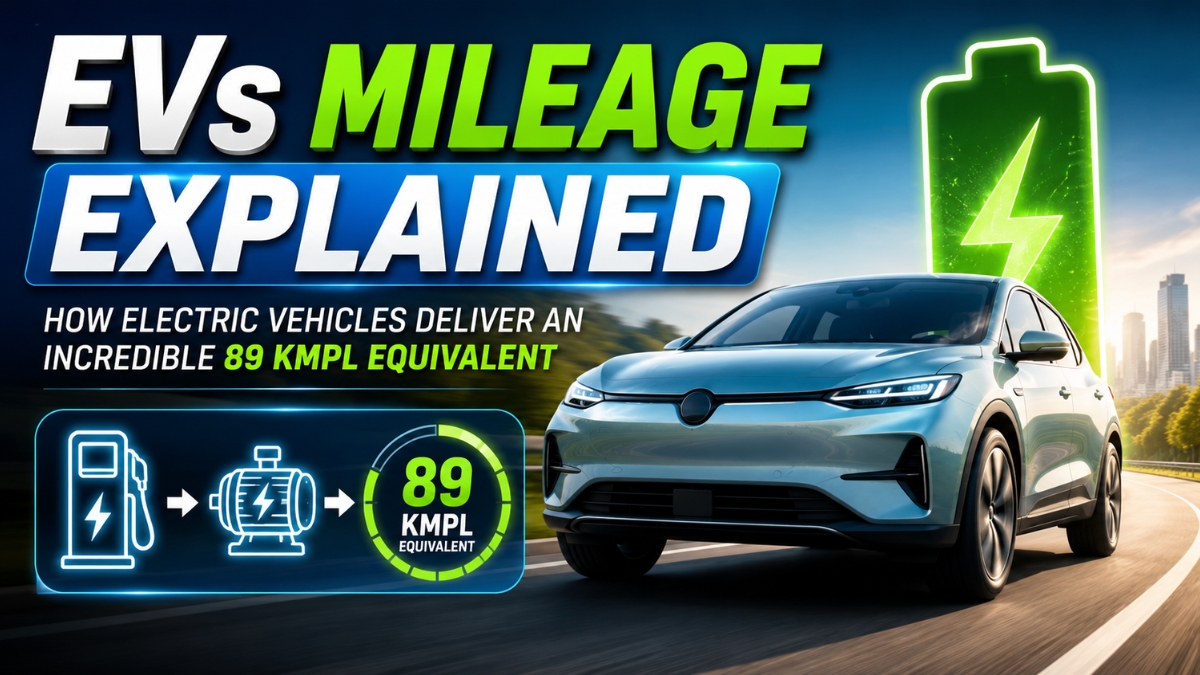
While electric vehicles (EVs) can be touted for their low running costs, many headlines have people scratching their heads when it comes to an EV’s “89 kmpl.” How can an EVs Mileage be compared to the mileage of fuel-powered vehicles, after all? The answer is in a simple calculation that translates electricity usage to petrol usage.
The different ways of calculating EV mileage is explained below.Explanation of the difference in EV Mileage calculation.
Electric cars use electricity in the form of kilowatt-hours (kWh) compared to petrol and diesel cars. The efficiency of EVs is usually represented as a petrol equivalent figure, such as kilometres per litre (kmpl), for comparison.
EV’s mileage
| Feature | Details |
|---|---|
| Focus Keyword | EVs Mileage |
| Article Topic | How EVs Deliver 89 kmpl Equivalent Mileage |
| Vehicle Type | Electric Vehicles (EVs) |
| Mileage Claim | Up to 89 kmpl Equivalent |
| Comparison | EV vs Petrol Cars |
| Key Calculation | Electricity Cost vs Petrol Cost |
| EV Running Cost | Around ₹0.90–₹1.50 per km |
| Main Advantage | Lower Running Cost |
| Ideal Usage | Daily Commuting & City Driving |
| Reader Benefit | Understand the Math Behind EVs Mileage |
An understanding of the 89 kmpl Equivalent Figure.
Let’s say a regular electric car which can drive for 500 kilometres on a 56 kWh battery pack. This will result in the following power consumption of the EV: 500 ÷ 56 = 8.93 km per kWh
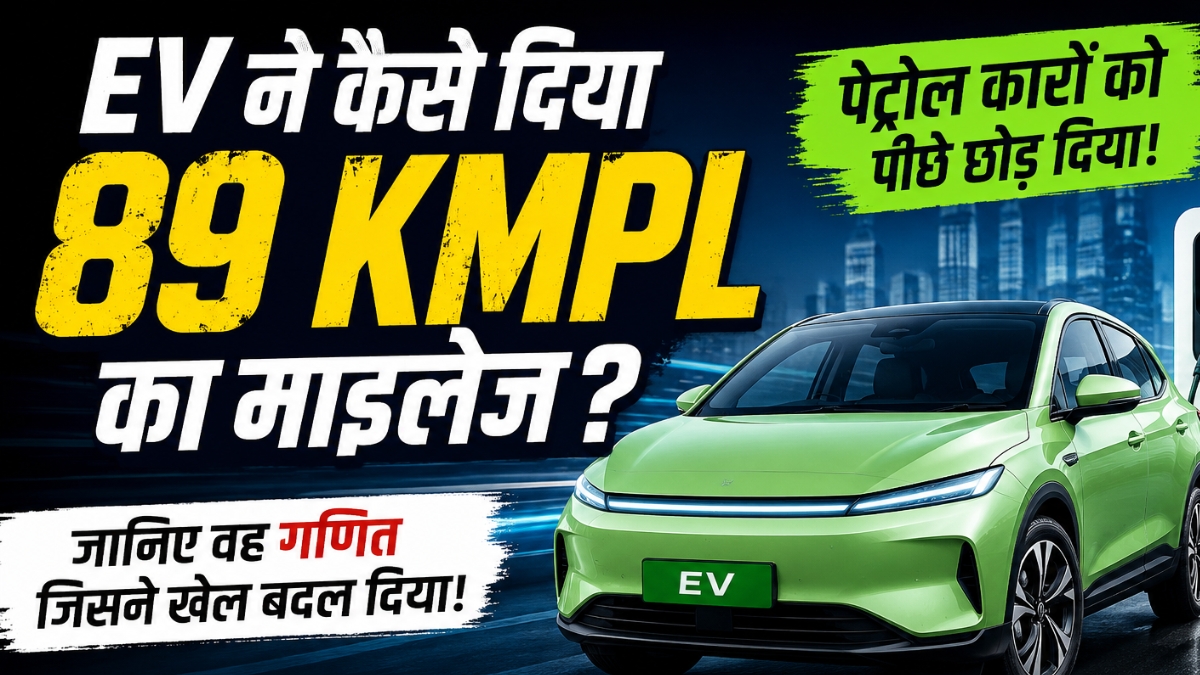
Now, electricity price is approximately ₹8 per kWh, the running cost is: ₹8 ÷ 8.93 = ₹0.90 per kilometre This means that the EV will cost just ₹1 per kilometre.
It is compared with a petrol car.It is compared to a petrol car.
Suppose the price of petrol is ₹100 per litre. If a car costs just ₹0.90 per km, then the corresponding mileage would be: ₹100 ÷ ₹0.90 = 111 km per litre However, with the charging loss, real world usage and the different electricity tariffs available, the effective mileage is close to 89 kmpl or more.
This is why it is reported that EVs offer an “89 kmpl equivalent” mileage.
The actual benefit is lower running costs.
The most impressive part of owning an EV is not the miles per gallon but the savings per month you will be able to make.
If you are travelling in a petrol vehicle, it costs ₹5–6 per kilometre if it has an average fuel consumption of 18–20 kmpl. In contrast, many electric vehicles run at less than ₹1.5 per kilometer depending on the cost of electricity.
This can make a big difference over the year for those who drive 1,500 km a month. Charging at home makes EVs even cheaper.Home charging makes EVs even more affordable.
Are EVs Perfect?
Although EVs are very efficient, they do have a few drawbacks. Charging stations are gradually improving, but are not as ubiquitous as gas stations are in many areas. The distance to travel might need to be planned and charging times have yet to be shortened as compared to refuelling a petrol car.
But when it comes to commuting or city driving, EVs are proving to be more and more viable.
In the end, many buyers are turning to EVs, and that’s for good reason.
The lower running costs, lower maintenance, quieter driving, and the Government incentives have made electric mobility more attractive to the purchaser.
With the advancement of battery technology and the rollout of charging infrastructure, the cost competitiveness of EVs is projected to grow even greater in the near future.
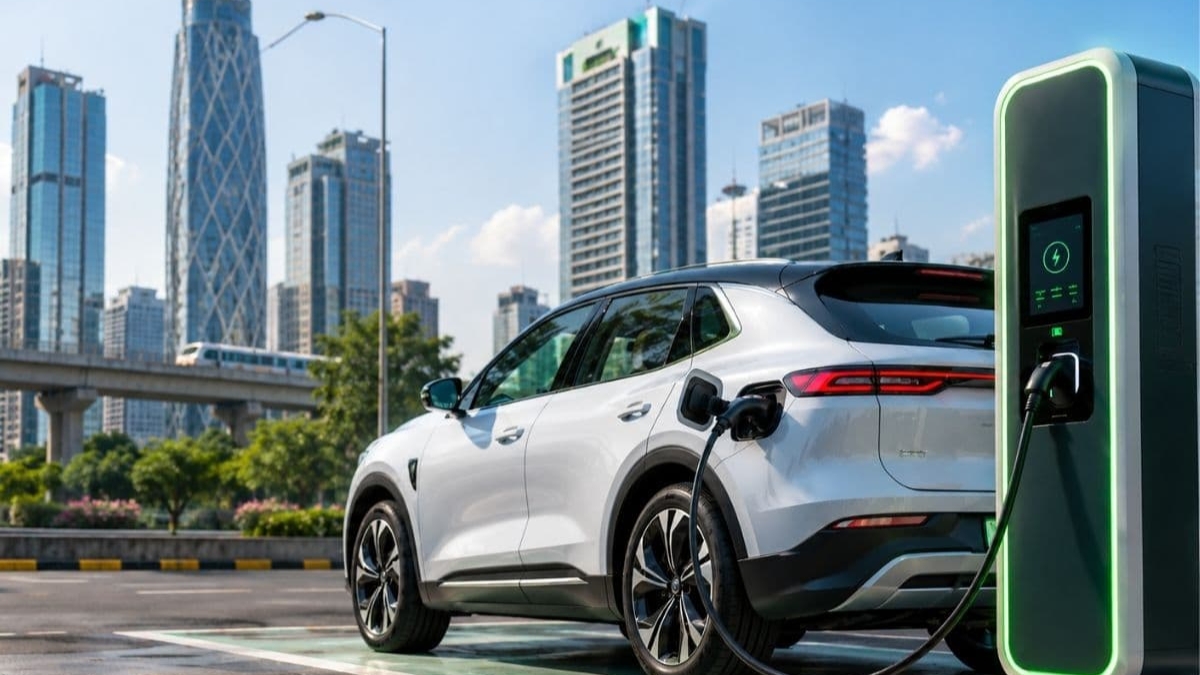
This figure of 89 kmpl is not a straight 89 kms per litre of petrol but instead is calculated by comparing the cost of electricity with the petrol efficiency. Electric cars have no fuel cost however when considered in terms of kmpl, they are generally superior to many petrol cars at their very low operating cost. This quick math is one of the reasons EVs are becoming more and more popular and that they are often considered the future of personal transportation.
Disclaimer: The mileage-equivalent figures referred to in this article are examples and may differ based on the tariffs, losses at charging stations, driving habits, weather, and the efficiency of the vehicle. The actual running costs will vary from one user to another.
Also read:
Tata Tiago EV Vs MG Comet EV: Which Budget Electric Car Delivers More Value In 2026?