
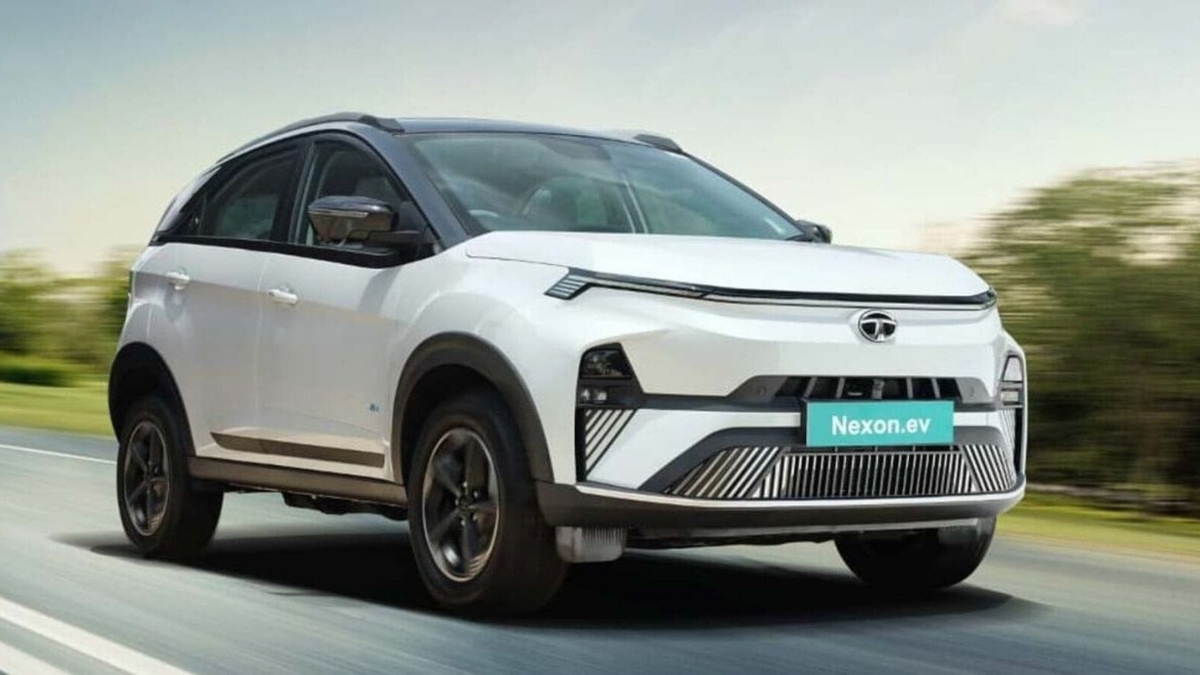
The Tata Nexon EV’s massive change will impact users from tonight onwards. Tata Nexon EV has emerged as one of the most popular electric SUVs in India and software upgrades are becoming a crucial experience of owning an electric vehicle. Modern EVs are very software-dependent, as opposed to petrol and diesel vehicles, which have a much lower software dependency.
Among Nexon EV owners, a new software development, which involves the Battery Management System (BMS) and Vehicle Control Unit (VCU), has caught their eye. This is especially crucial because these systems affect the vehicle’s battery monitoring and management.
What is the biggest enhancement to Nexon EV?
The new update is mainly related to software and battery-management calibration. The BMS is continually monitoring the critical battery parameters and assists the vehicle in controlling its high-voltage battery safely and efficiently. This can directly affect the presentation of battery percentage, estimated range and charging behaviour from the point of view of an EV owner.
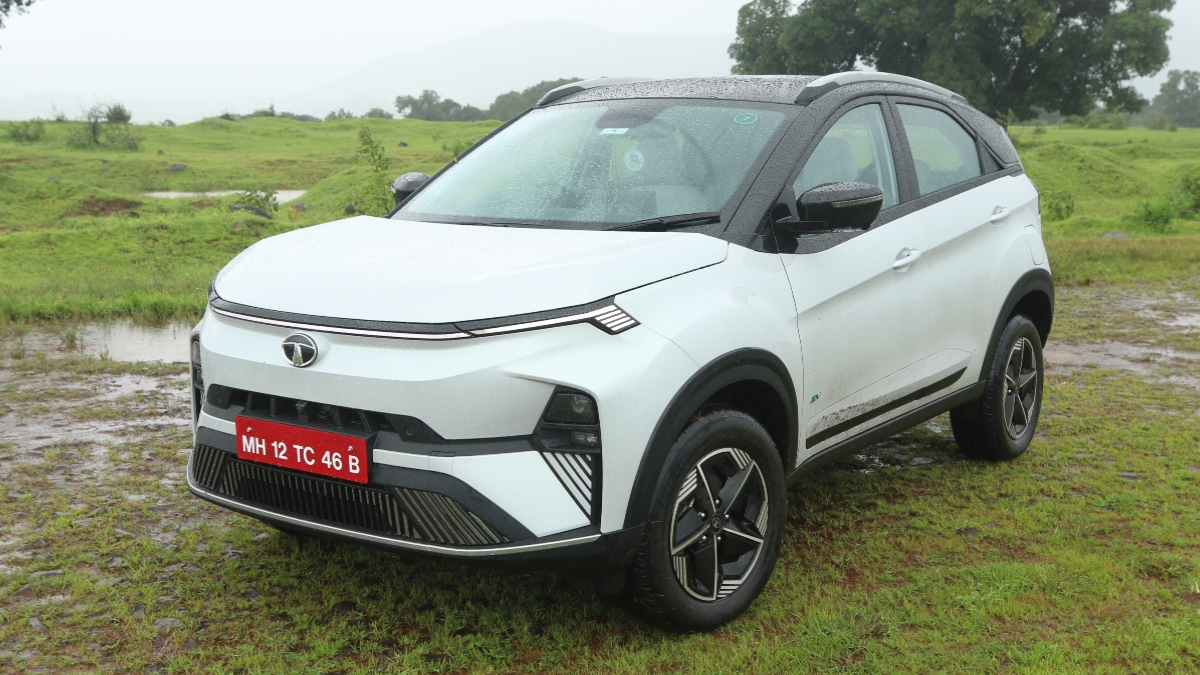
Software becomes a crucial part of the long-term ownership journey of Tata’s Nexon EV, as the vehicle will be updated with software fixes and provide software OTA for certain functions as well. This is not to say that all the changes listed above have been made to the physical battery or that all Nexon EVs will get the same changes. Update may be based on variant, battery configuration, model year and the current software version of the vehicle.
Why is the BMS so important?
BMS or Battery Management System is one of the most vital electronic systems of an EV. It monitors the battery pack and maintains its operation within an acceptable range. The BMS is also crucial for estimating battery’s State of Charge (SoC), which is often displayed as a percentage to the driver. This percentage does not reflect electricity usage directly. It’s determined from data gathered by the car’s electronic systems.
This can make it so that the battery percentage and range estimated in the software is changed, even though the physical battery capacity is not.
Will the Range of Nexon EVs change?
The range is always one of the primary considerations for EV owners. Now Tata is providing the Nexon EV in various battery variants, such as a smaller 30kWh battery and a larger battery with 45kWh. They say it has a maximum range of 489km under the test cycle for the 45kWh version. In reality, however, range is dependent on factors such as driving speed, traffic, road conditions, temperature, air conditioning use and driving technique.
If the estimated range on the instrument cluster has been updated after a software update, it doesn’t necessarily indicate that the vehicle has more or less physical battery capacity.
What can Owners see after the update?
Different vehicles may result in different effects after a software update. Some owners may observe the percentage drop rate of the battery or others may see the estimated range of use is different. Monitoring charging behaviour can also be performed after an update. Battery management software is a critical component when charging, so software calibration changes could impact the vehicle’s charging management.
But the owners shouldn’t make an immediate decision based on just one drive or one charging session. A few charging and driving cycles gives a far better insight into the vehicle’s performance.
what about Tata Nexon EV getting a new battery?
No. A software or BMS upgrade is not a battery upgrade. Battery capacity, motor and other hardware specs are still dependent on the Nexon EV’s type. Software upgrades may enhance or change the monitoring and control of existing vehicle hardware. This is significant as the discussions that take place on social media can sometimes make software changes appear larger than they truly are.
What Do Nexon EV Owners Need To Do?
Owners need to determine if their own car will benefit from the newest software update. Owners should take the advice of the approved Tata service centre when provided with the update. After receiving an update, drivers can keep an eye on the SoC percentage, estimated range, charging performance and warning messages.
In case the car displays abnormal high voltage warnings, it won’t charge or the battery percentage plummets suddenly or the car performs abnormally, it’s best to approach an authorised Tata EV service centre. It is not recommended for the owner to open or repair the high-voltage battery system.
Why Software Updates Matter for EVs
Another key feature of the development is its emphasis on the software-centric nature of modern EVs. While many of the improvements in the conventional car may need physical changes to the components, in the EV case, some of these improvements can be achieved by software calibration of the vehicle’s components.
There are several reasons why battery-management improvements are significant, such as balancing performance, efficiency, battery protection and range estimation. As EV improvements continue, software upgrades will be more commonplace as an owner.
Tata Nexon EV continues to be a popular electric SUV
While software updates are a topic of discussion, the Nexon EV remains a significant part of Tata Motors’ lineup of electric vehicles. It features an SUV styling and a range of battery sizes, Wi-Fi connectivity and rapid charging.
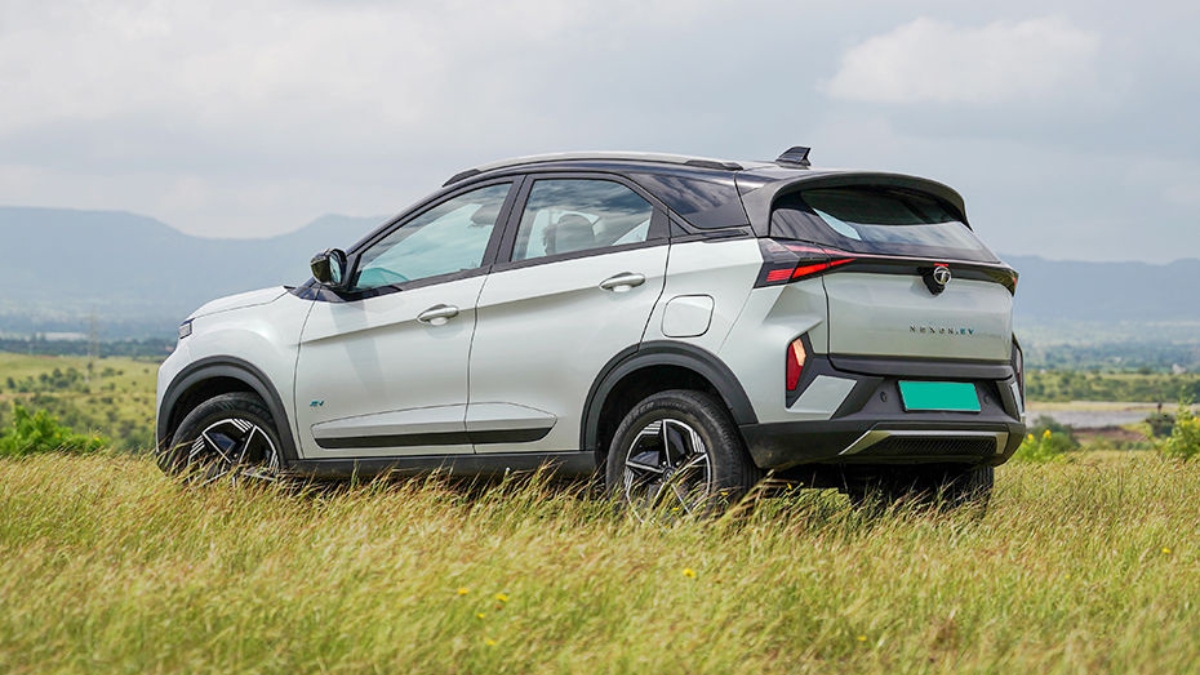
Buyers can also receive as a standard feature a large touchscreen, connected-car capabilities and advanced driver-assistance technology, depending on the variant. This popularity indicates that Indian consumers are keener on having a practical electric SUV for their daily driving.
Frequently Asked Questions
1. What is the latest Tata Nexon EV change?
The latest change is related to software and battery-management calibration involving systems such as the BMS and VCU.
2. Will the Nexon EV get a new battery?
No. A software update does not mean the physical battery has been replaced or upgraded.
3. Can the update affect Nexon EV range?
Yes, software calibration can affect the estimated range displayed by the vehicle, although actual range depends on driving conditions and usage.
4. Can the battery percentage change after the update?
The way the vehicle calculates and displays State of Charge can potentially change after software calibration.
Disclaimer: This is a disclaimer: Software may be available on different variants of the Nexon EV, model years and software versions, and features and procedures for software updates may differ. The property owner should verify updates with an authorised service center of Tata Motors.
Also read:
Kia Safety Ratings 2026: Which Kia Car Is the Safest to Buy? Check the Safety Ratings of Every Model